
Who is Lord Flea?
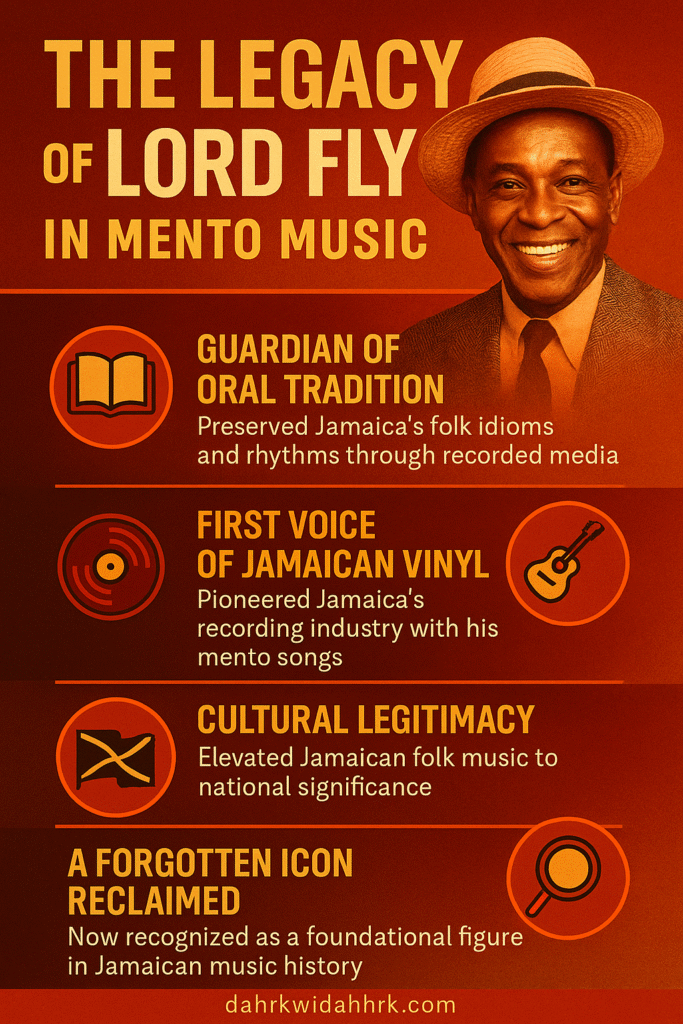
Lord Flea was one of the earliest global ambassadors of Jamaican mento music, bringing the island’s infectious rhythms and witty storytelling to international audiences in the 1950s. While his name may not be as widely recognized today as later reggae icons, his impact on Caribbean popular music is both historic and foundational.
This article explores the life, influence, and legacy of Lord Flea — a trailblazer who helped shape the path for Jamaica’s musical identity on the world stage.
Early Life and Musical Roots
Lord Flea was born Norman Byfield Thomas in Kingston, Jamaica, in the 1930s. He began his career performing mento and calypso-influenced music in local clubs and hotels. Mento — Jamaica’s indigenous folk genre — was already flourishing as a street and yard music form, but Lord Flea stood out for his charisma, sharp lyrics, and fusion of humor and social commentary.
He adopted the stage name “Lord Flea” in line with the “Lord” naming convention used by many Caribbean performers, influenced by Trinidadian calypsonians like Lord Kitchener and Lord Invader.
International Breakthrough
Lord Flea’s big break came when he was discovered by American talent scouts during a wave of interest in Caribbean music in the early 1950s. The “calypso craze” in the United States created demand for tropical sounds, and Lord Flea was recruited to perform at Miami nightclubs, notably the Calypso Club and the Club Jamaica.
In 1957, he released his most famous album, “Swingin’ Calypsos,” under the Capitol Records label. Though billed as “calypso,” the music was largely Jamaican mento, featuring banjo, guitar, rumba box, hand percussion, and Lord Flea’s smooth, engaging vocals.
Style and Influence
Lord Flea’s music was a blend of traditional mento rhythms and American swing, with lyrics that often addressed Caribbean life, identity, and humor. His recordings captured a sound that was deeply Jamaican yet easily digestible for foreign ears.
Key elements of his musical style:
- Acoustic instrumentation (banjo, guitar, rumba box)
- Call-and-response vocal patterns
- Satirical and socially conscious lyrics
- Infectious rhythms with Afro-Caribbean syncopation
Songs like Naughty Little Flea, Shake Shake Sonora, and Calypso Be Bop became hits, showcasing his versatility and appeal.
Legacy and Death
Lord Flea’s promising career was tragically cut short. He died of Hodgkin’s lymphoma in 1959, reportedly in his mid-20s, just as he was gaining momentum in the U.S. music scene. Despite his short life, his influence lived on:
- He paved the way for future Jamaican artists to break into international markets.
- He helped preserve and promote mento music during a time when calypso was often inaccurately used as a catch-all label for all Caribbean music.
- His style influenced artists like Harry Belafonte, who popularized Caribbean music globally — though with more of a Trinidadian flavor.
Reevaluation in Music History
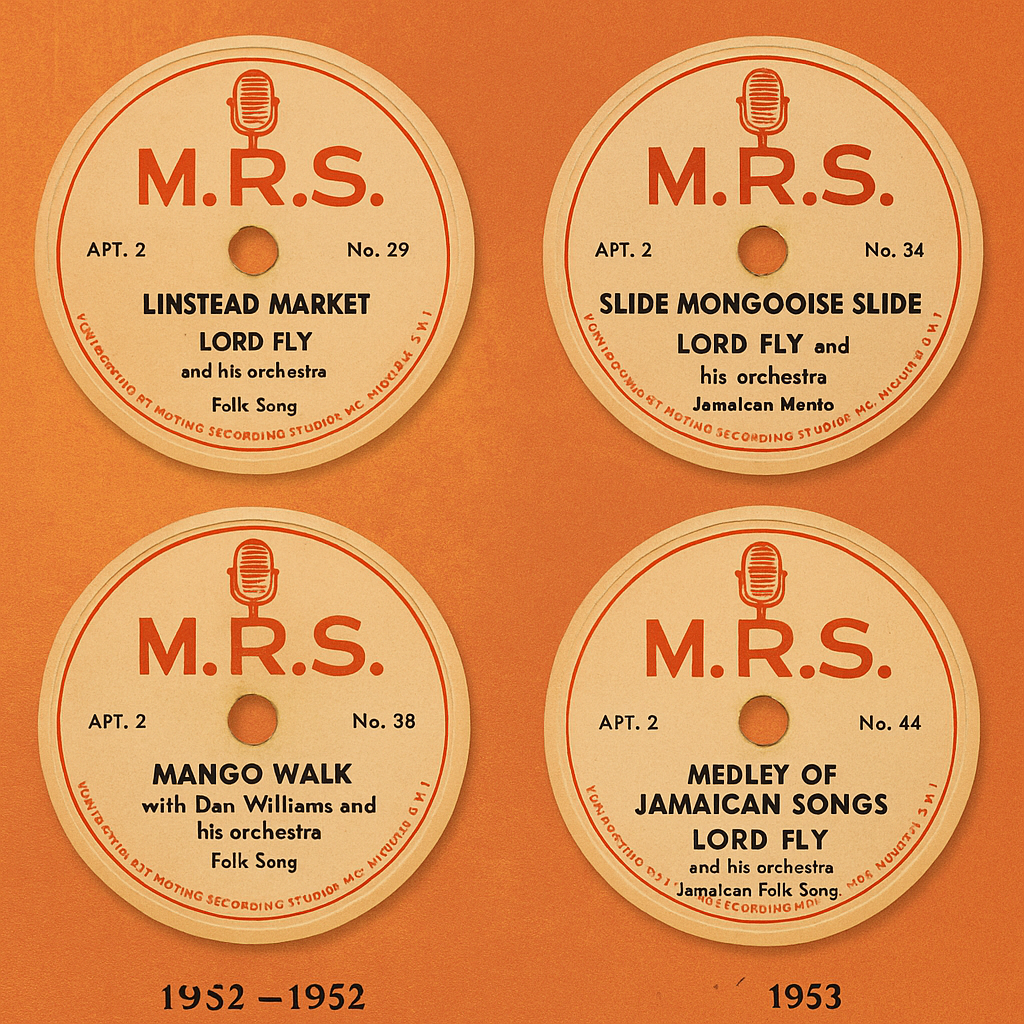
In recent years, scholars and cultural institutions have begun reclaiming Lord Flea’s legacy within Jamaican music history, emphasizing his role not just as a performer, but as a cultural bridge who introduced mento to broader audiences.
His work has been featured in retrospectives and compilations such as:
- Boogu Yagga Gal: Authentic Mento from the 1950s & 60s
- The Mento Madness Collection
- Jamaica – Mento 1951–1958: The Birth of Jamaican Music
Conclusion
Lord Flea stands as a symbol of mento’s global voice — a performer whose brief career captured the heart of Jamaican folk culture and transmitted it to the world. His legacy reminds us that before reggae, before ska, and before dancehall, there was mento — and Lord Flea was one of its loudest, liveliest messengers.
References
- Bilby, K. M. (1995). Jamaica’s Mento Tradition: Rediscovering the Roots of Reggae. Caribbean Quarterly, 41(1), 1–20.
- Manuel, P. (2006). Caribbean Currents: Caribbean Music from Rumba to Reggae. Temple University Press.
- Henke, J., & Marshall, W. (2001). Reggae Routes: The Story of Jamaican Music. Ian Randle Publishers.
- Chang, K., & Chen, W. (1998). Reggae Routes: The Story of Jamaican Music. Temple University Press.
- Lord Flea. (1957). Swingin’ Calypsos [Album]. Capitol Records.
- Salewicz, C. (2010). Keep on Running: The Story of Island Records. BBC Books.
- Smithsonian Folkways. (n.d.). Mento: Jamaican Folk Music. Retrieved from https://folkways.si.edu/